
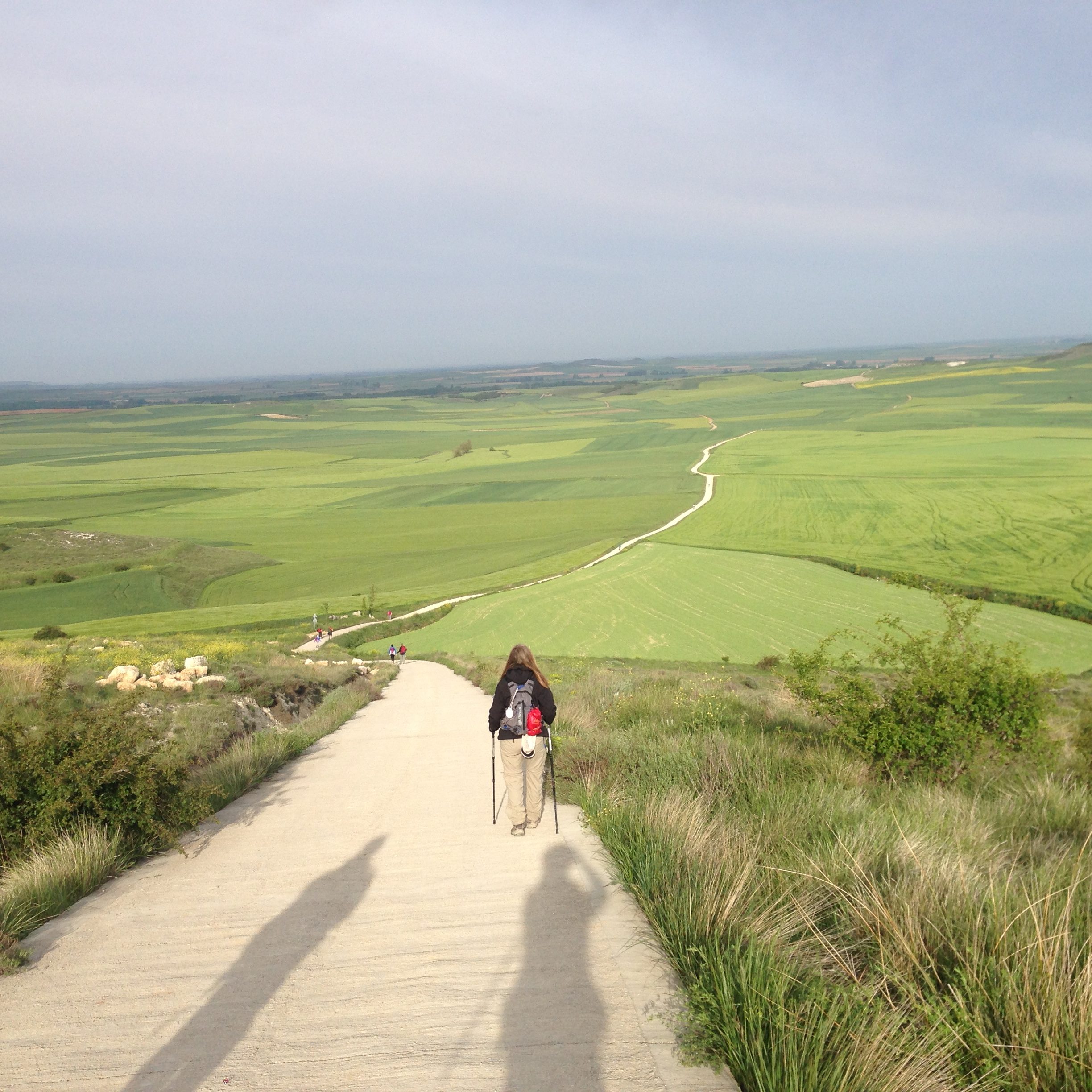
 Spain… land of eternal sunshine. Maybe in the tourist literature or some memory of a long ago holiday. But in truth, the climate of the Camino Francés will exhibit all four seasons of weather, from the heavy snows which smothered Burgos, driving rains and muddy trails come springtime in Navarra, the parched lands near Hornillos del Camino in the blazing August sun or the glory of a Galician autumn when the rains hold off for weeks and the countryside is bathed in golden sunshine. Hard to say that one is preferable to the other. The wildflowers and luminescent green fields of northern Spain are so beautiful from the spring rains. The less busy pathways and the long drawn out evenings of a Spanish summer are the reward after the heat of a summer’s camino. Winter is the reflective season and will always be a more solitary affair, with many lodgings closed, awaiting to reopen and greet all the new pilgrims after Semana Santa. (end of March 2018) Future posts will take a look at how the seasons reveal themselves along the Camino Francés throughout the year. Whatever the weather brings, it is always a good day to wish your fellow pilgrim “buen camino”.

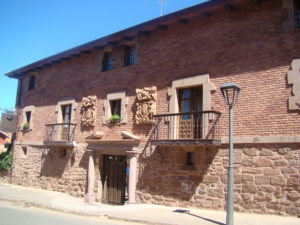 Most pilgrims will spend at least several nights in the company of their fellow walkers in a local albergue. These places form the backbone of the Camino experience. Some are very rustic (the albergue at Manjarín), delightfully eccentric (Albergue parroquial San Juan Bautista in Grañon), religious (Albergue del Monasterio de Samos) or beautifully restored in an historic building (Albergue de peregrinos in Roncesvalles). For many, it is the essence of their Camino. As the popularity of the route blossomed, alternatives to a night in the dormitory appeared. Now, in addition to an albergue stay, the modern pilgrim can enjoy a night in a less communal space. Private rooms, hot showers with clean sheets and towels help ease the stress of a long day on the road.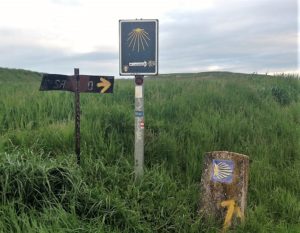


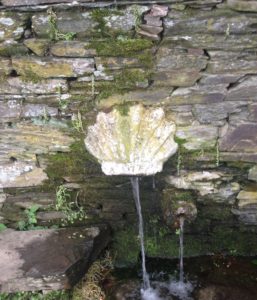 Man has always needed to celebrate and commemorate important people and events. The pilgrim’s passage on the Camino de Santiago is no different. Along the 800 km. route, cities, towns and villages as well as individuals have erected or placed statues, memorials and monuments to the arduous trek made so many people. These posts will acknowledge their presence and the impact played by the Camino as it wound its way across the Spanish countryside.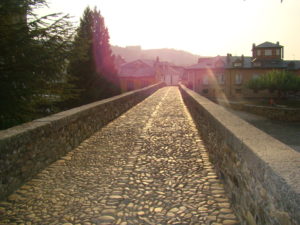
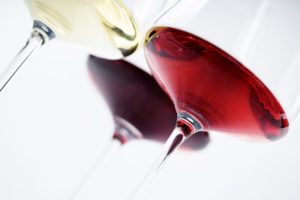 There will never be a shortage of wine along the Camino de Santiago. The route passes through some of Spain’s most iconic hillsides of the vine. In many cases, the cost of drinking the local “vino” will be less than purchasing a 500 ml. bottle of water. Many a pilgrim menu dinner will find a bottle of the local wine placed at the centre of the table. The pilgrim family that you make on your journey will often be formed around glasses of wine, discussing the the walk at day’s end. This is a little primer on the types of wines you will drink in Spain as well as the various regions you will cross on your way to Santiago de Compostela.