
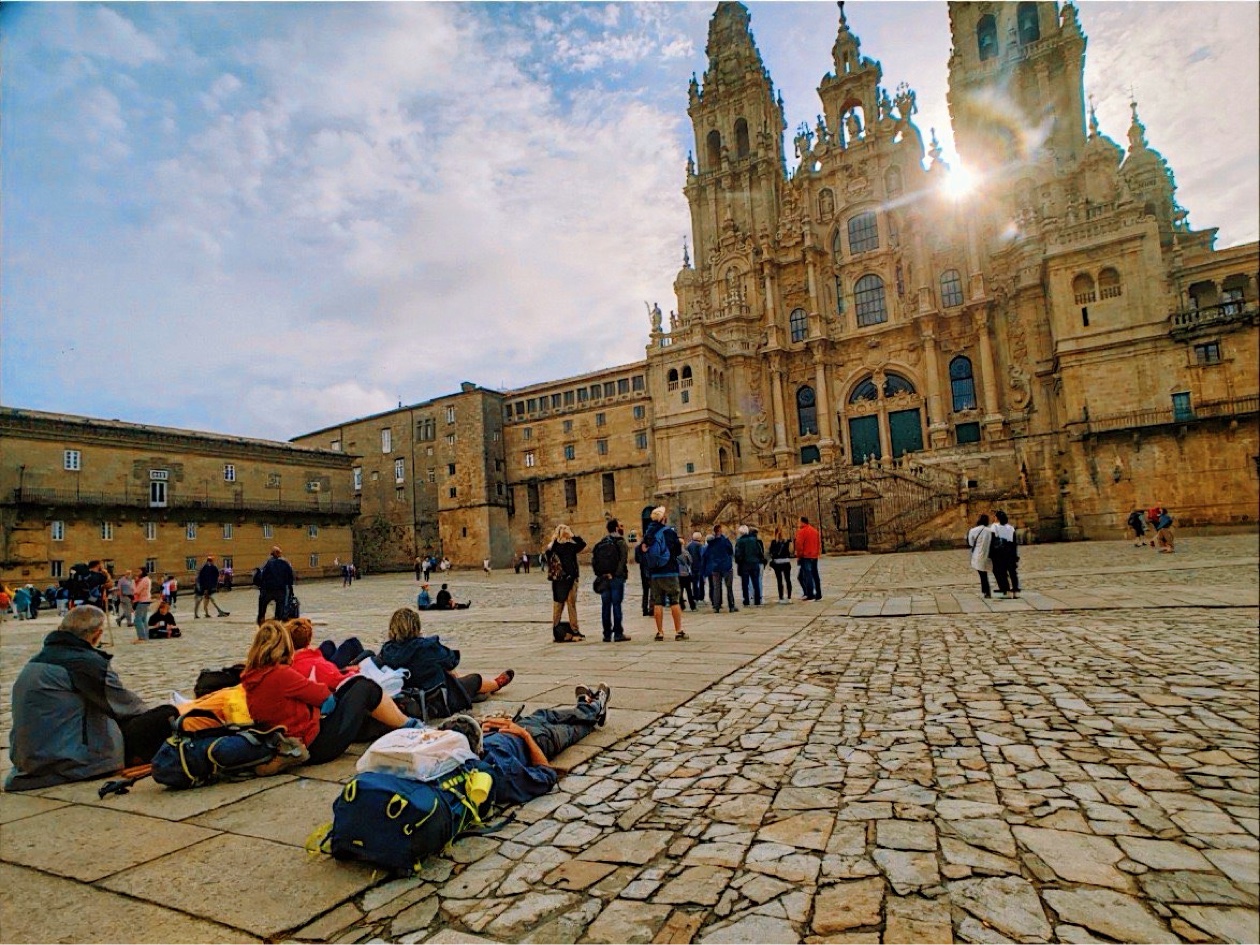
The hardest decision on the Camino is not whether to start. It is whether to stop — for a day, or for good.
Every pilgrim meets the moment: the knee that has been whispering starts shouting, the blister becomes something angrier, the exhaustion stops lifting overnight. The road culture celebrates perseverance, and quitting feels like failure. So pilgrims limp on, turning a three-day rest into a three-week injury, because stopping feels like betraying the journey.
Here is the reframe the veterans offer: rest is not quitting. A rest day in a beautiful town — León, Burgos, Pontevedra — is part of the pilgrimage, not an interruption of it. The Camino has been there for a thousand years; it will wait one more day. And if the body says the journey is over, honor that too. A Camino cut short by wisdom is worth more than one finished on a ruined knee.
The road teaches many things. One of them is the difference between persistence and punishment. Learn it early, and your Camino — however long — will be the right length.
A PRACTICE FOR THE WEEKS BEFORE
Decide now, before you go, what your stop signals are: which pains mean rest, which mean a doctor, which mean going home. Deciding in advance makes it easier to honor later.