
While the Francés carries the crowds, the Camino Portugués walks quieter — north from Porto through a gentler landscape of vineyards, river valleys, and whitewashed villages, crossing into Spain at the Minho river and joining the final stretch to Santiago.
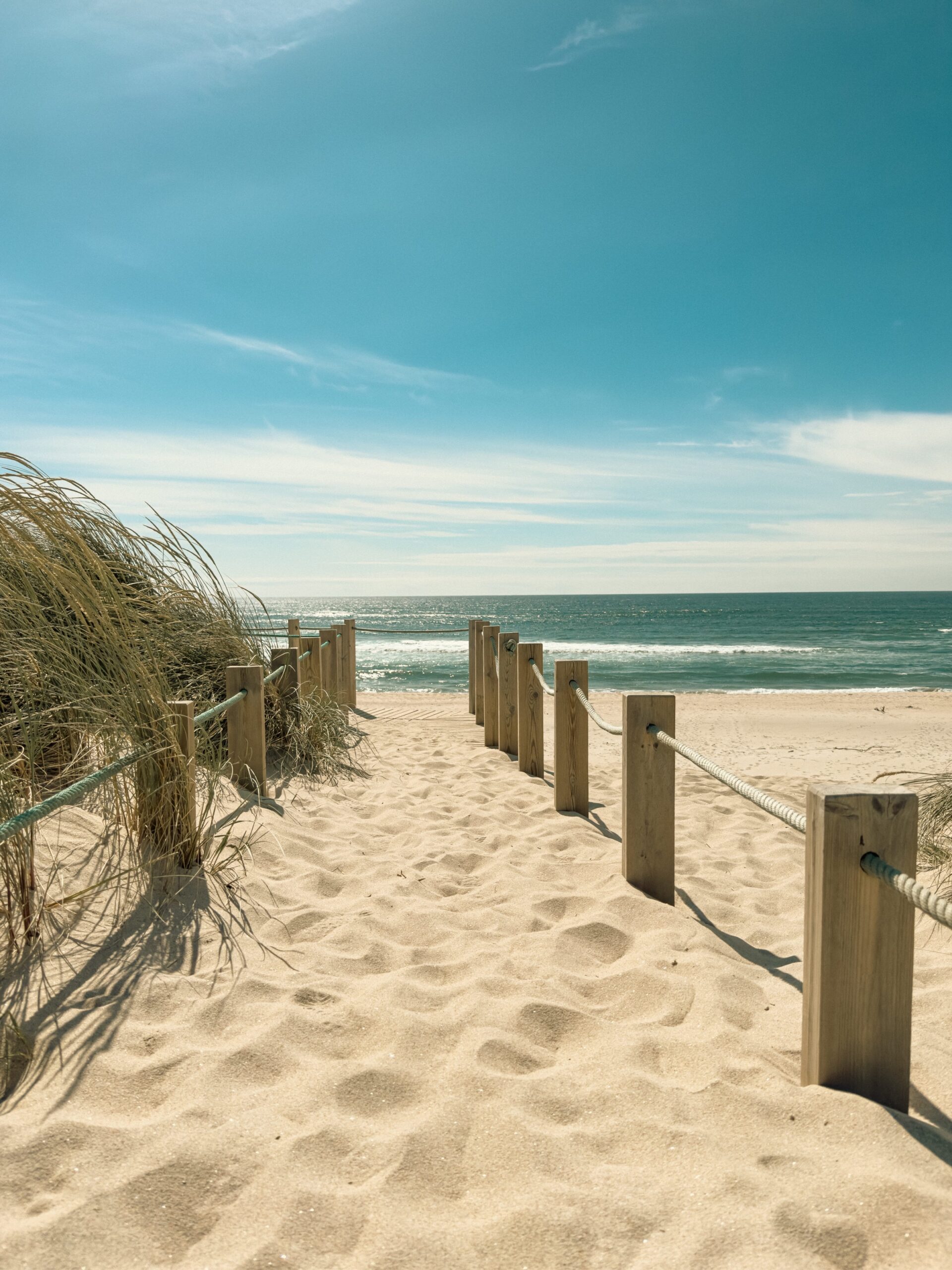
There are two great variants, and pilgrims argue lovingly about them. The Central route runs inland through Barcelos and Ponte de Lima, all green valleys and Roman bridges. The Coastal route follows the Atlantic from Vila do Conde, with sea wind, boardwalks, and fishing towns — wilder, newer, and increasingly loved. Both converge at Redondela, and both deliver you to Santiago with salt still in your pack, one way or another.
What distinguishes the Portugués is its gentleness. The stages are shorter, the climbs kinder, the waymarking generous. It is the Camino many walkers choose for a first pilgrimage — or for the one after the hard one, when the point is not to conquer anything but to walk well, eat well, and arrive grateful.
A PRACTICE FOR THE CHOOSING
If you are choosing between routes: the Francés for the classic, the Norte for the wild, the Portugués for the gentle. There is no wrong answer — only the road you are ready for.